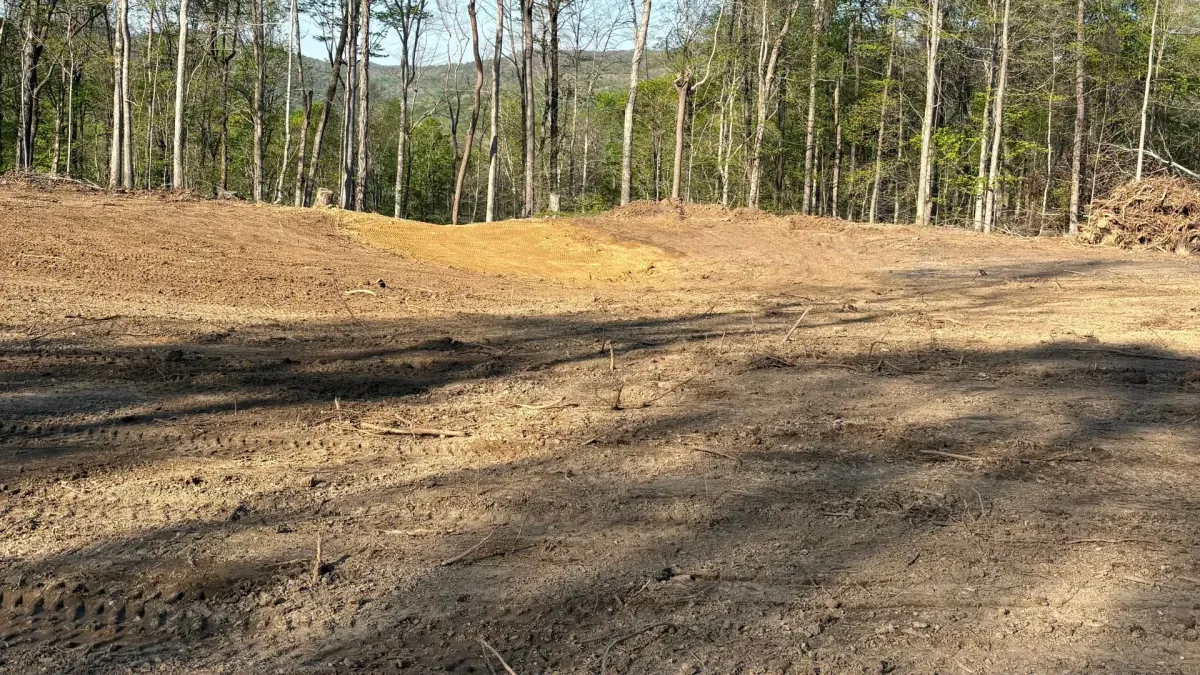
Land Clearing in Southern Tennessee: What Property Owners Should Know Before Starting a Project
Land Clearing in Southern Tennessee: What Property Owners Should Know Before Starting a Project
Overgrown land can hold back an otherwise valuable piece of property.
Thick brush, unwanted trees, vegetation, stumps, and debris can make land difficult to access, maintain, build on, or use. Professional land clearing gives Southern Tennessee property owners a way to reclaim those areas and prepare them for what comes next.
But successful land clearing involves more than pushing vegetation out of the way.
The way a property is cleared can affect future grading, drainage, construction, erosion, and how easy the land is to maintain.
Before starting a land clearing project in Southern Tennessee, here's what property owners should know.
What Is Professional Land Clearing?
Land clearing removes unwanted vegetation, trees, brush, debris, and other obstacles from a property.
The amount of clearing required depends on both the current condition of the land and what you plan to do with it afterward.
Property owners may need land clearing before:
Building a home
Constructing a shop or barn
Installing a driveway
Preparing agricultural land
Creating additional usable acreage
Developing commercial property
Installing utilities or septic systems
Improving property access
Reclaiming heavily overgrown areas
Determining the property's future use before clearing begins helps the excavation contractor develop a more effective plan.
Land Clearing Is Often the First Step in Site Preparation
Clearing the property is frequently only the beginning.
If you're preparing land for construction, the site may need excavation and grading after vegetation and debris are removed.
Grading establishes the elevations and slopes needed for the project's next stage. Depending on the property, drainage improvements may also be necessary.
Thinking about these services together can prevent unnecessary work.
For example, clearing an area without considering the future building pad, driveway, septic system, or drainage plan may mean portions of the property have to be disturbed a second time.
A complete site-preparation plan helps ensure the land is being cleared with the finished project in mind.
Land Clearing vs. Forestry Mulching
Traditional land clearing isn't the only option for managing unwanted vegetation.
Forestry mulching is another useful method for reclaiming overgrown land. Specialized equipment cuts and processes vegetation, turning much of the material into mulch on site.
Which approach makes sense depends on the condition of the property and your plans for it.
Traditional clearing may be appropriate when a site needs substantial preparation for construction or development. Forestry mulching can be an efficient option for controlling brush, opening overgrown areas, improving access, and maintaining portions of a property.
JJ's Excavating LLC provides both land clearing and forestry mulching throughout Southern Tennessee, allowing the approach to be matched to the needs of the property.
Don't Forget About Drainage
Changing vegetation and ground elevations can change the way water moves across a property.
That's why drainage deserves consideration during larger land clearing projects.
If the cleared land will later be graded for a house, driveway, building, or another improvement, runoff should be directed appropriately.
Professional grading can help establish slopes that move water where it needs to go, while additional drainage solutions may be recommended for properties with more challenging water-management issues.
Addressing drainage during site preparation is generally easier than discovering a water problem after construction is complete.
How Much Land Should You Clear?
More isn't necessarily better.
Before clearing begins, decide what you're trying to accomplish.
A homeowner building a house may need enough room for the home site, driveway, septic system, yard, and construction access. A farmer may want to reclaim a larger overgrown area. Another property owner may simply want to open trails or improve access.
A contractor can evaluate the project and help determine how much clearing makes sense.
Keeping useful vegetation where possible can also preserve privacy, natural buffers, shade, and other desirable features of the property.
What Happens After Land Clearing?
That depends entirely on the project.
After clearing, the next steps could include:
Excavation
Rough grading
Building-pad preparation
Septic system installation
Driveway preparation
Drainage work
Concrete work
Final grading
For construction projects, proper sequencing is important.
Clearing, excavation, grading, drainage, and other site work should support the overall construction plan rather than being treated as unrelated jobs.
Professional Land Clearing Across Southern Tennessee
JJ's Excavating LLC provides land clearing and excavation services for homeowners, farmers, businesses, and property owners throughout Southern Tennessee.
Our service area includes Fayetteville, Winchester, Lynchburg, Decherd, Huntland, Elora, Flintville, Kelso, Belvidere, Mulberry, and nearby communities.
Because we provide more than land clearing, our team can also assist with the excavation and site work that may be needed afterward, including grading and site preparation, drainage solutions, septic system installation, demolition, concrete surfaces, and forestry mulching.
That makes it easier to take a property from overgrown land to a site that's ready for its next purpose.
Frequently Asked Questions About Land Clearing
How long does it take to clear land?
The timeline depends on acreage, vegetation density, terrain, accessibility, the type of material being removed, and what condition the property needs to be in afterward. An on-site evaluation is the best way to estimate the scope of a specific project.
Should I clear land before contacting a builder?
If you're planning construction, coordinating site preparation with the overall building plan can help avoid unnecessary work. An excavation contractor can determine what needs to be cleared and how the site should be prepared for subsequent construction.
Is forestry mulching the same as land clearing?
Not exactly. Both can remove unwanted vegetation, but forestry mulching processes vegetation on site and can be particularly useful for brush management and reclaiming overgrown areas. Traditional clearing may be more appropriate when substantial excavation and construction preparation will follow.
Do I need grading after clearing my property?
Not every project requires extensive grading. However, grading is commonly needed when cleared property will be used for construction, driveways, landscaping, or other improvements requiring specific elevations or drainage.
Ready to Reclaim Your Property?
Whether you're clearing property for a new home, farm, building, driveway, development, or simply want to make overgrown acreage usable again, JJ's Excavating LLC can help.
We'll evaluate your goals and help develop a plan for clearing and preparing the property correctly.
Call JJ's Excavating LLC at (931) 691-9467 today to request a free quote for land clearing in Southern Tennessee.


